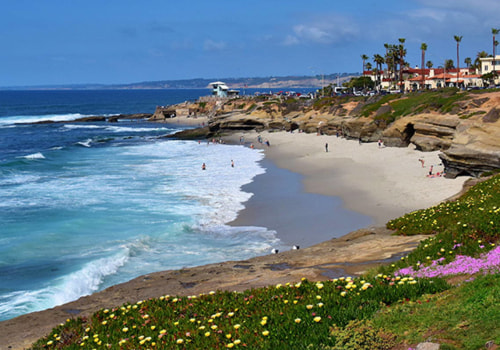
In the vibrant community of La Jolla, where stunning coastal views meet rich cultural heritage, the pulse of local politics often goes unnoticed amidst the sun-soaked beaches and bustling shops. Yet, Interviews with local politicians reveal a tapestry of ideas, aspirations, and challenges that shape the future of this picturesque enclave. As constituents, we are not just spectators; we play a vital role in the democratic process that governs our lives. This article, Engaging Local Voices: Insights from La Jolla Politicians, aims to bridge the gap between elected officials and the community they serve. In these discussions, we will explore the insights and experiences of those who hold office in La Jolla, uncovering their perspectives on pressing issues that resonate with residents.
From environmental concerns to economic development and social justice initiatives, local politicians offer a unique lens through which we can understand the nuances of governance at a grassroots level. Through these interviews, we invite you to engage with the voices that influence policy and decision-making right in your backyard. Join us as we delve into the thoughts of our local leaders, shedding light on their motivations and visions for a better La Jolla. Whether you're a passionate advocate for change or simply curious about the political landscape, this exploration promises to ignite conversation and inspire action among residents. Let’s embark on this journey together, as we uncover what it truly means to be engaged in our community's future. The significance of local political interviews cannot be overstated when it comes to fostering transparency and accountability in our communities.
In La Jolla, where local governance directly impacts daily life, these discussions provide essential insights into the decision-making processes of those elected to serve us. As we approach the upcoming elections, it is crucial to understand how our politicians view pressing issues and what plans they propose to address them. Recent political events in La Jolla have sparked considerable debate among residents. With housing affordability becoming a central concern, local politicians have been forced to confront the challenges posed by rising property values and limited inventory. During an interview, Councilmember Jane Doe remarked, "We need to prioritize affordable housing initiatives.
Our community deserves options that allow families to thrive without being priced out." Such statements highlight the responsibilities that local leaders bear in navigating complex issues. Environmental concerns also loom large on the agenda of La Jolla's political landscape. The delicate ecosystem of our coastal area is increasingly threatened by climate change and urban development. Mayor John Smith emphasized this point in a recent interview, stating, "Protecting our coastline is not just an environmental issue; it’s about preserving our way of life here in La Jolla. We need to strike a balance between development and conservation." These insights into the minds of our leaders allow constituents to grasp the motivations behind policy decisions. Engagement with constituents is another critical aspect of how local politicians can address community challenges effectively.
Town halls have become a vital platform for residents to voice their concerns and ask questions directly to their elected officials. In a recent town hall meeting, Councilmember Doe urged attendees, "Your feedback is invaluable. It helps shape our policies and ensures that we are addressing the real needs of our community." This direct line of communication fosters trust and helps bridge the gap between governance and the governed. Social media has also transformed the way politicians interact with their constituents, providing an immediate and accessible platform for dialogue. Politicians like Mayor Smith utilize platforms like Twitter and Facebook to share updates and respond to community inquiries in real time.
He stated, "I believe transparency is key; social media allows me to connect with residents on a personal level and keep them informed about important decisions." This modern approach not only makes politicians more approachable but also encourages active participation from the community. However, it is essential to recognize that differing viewpoints exist within the local political sphere. During interviews, various political figures have shared their perspectives on contentious issues. For instance, while some advocate for aggressive development policies to accommodate growth, others warn against potential overreach that could harm La Jolla's unique charm. Councilmember Emily Clark voiced her concerns during an interview, saying, "We must be cautious about development; it’s vital that we maintain La Jolla's character while still addressing housing needs." Presenting these differing viewpoints helps paint a balanced picture of the political landscape in La Jolla. Despite ongoing efforts for transparency, local governance is not without its criticisms.
Some residents express frustration over perceived inefficiencies or lack of responsiveness from their elected officials. During an interview, Mayor Smith acknowledged these criticisms head-on: "I understand that some feel we could do better. I encourage open dialogue; it’s through these discussions that we can identify areas for improvement." This willingness to engage with criticism demonstrates a commitment to accountability and a desire to work collaboratively with constituents towards better governance. In conclusion, interviews with local politicians are invaluable tools for understanding the intricacies of governance in La Jolla. They shed light on key issues such as housing and environmental sustainability while providing a platform for community engagement and feedback. are invaluable tools for understanding the intricacies of governance in La Jolla. They shed light on key issues such as housing and environmental sustainability while providing a platform for community engagement and feedback.
By highlighting different perspectives and addressing criticisms openly, local leaders can foster a more informed and involved citizenry—ultimately shaping a stronger future for La Jolla.
Current Political Landscape in La Jolla
The current political landscape in La Jolla is marked by a dynamic interplay of local issues, community engagement, and the influence of key political figures. Recent elections have underscored the importance of local governance, particularly as residents navigate challenges related to housing, environmental concerns, and public safety. In the most recent city council elections, candidates focused heavily on addressing these pressing issues, reflecting the community's desire for proactive leadership. Key players in this political arena include long-standing council members and newly elected officials who are bringing fresh perspectives. Their ability to respond to constituents' needs has become increasingly important, especially as La Jolla faces ongoing debates about development projects and conservation efforts.The involvement of local politicians in these discussions not only shapes policy but also fosters greater community engagement. Furthermore, recent controversies surrounding zoning laws and public resource allocation have highlighted divisions within the community, making it essential for local politicians to mediate and advocate for balanced solutions. Through interviews with these influential figures, we can gain valuable insights into their decision-making processes and how they plan to address the concerns of their constituents moving forward.
Public Engagement and Accountability
Public engagement is a cornerstone of effective governance, and local politicians in La Jolla are increasingly recognizing its importance. By actively fostering communication with residents, these leaders are not only enhancing transparency but also building trust within the community. Recent initiatives have included town hall meetings and online forums, where constituents can voice their concerns and discuss pressing issues directly with their elected representatives. Furthermore, local politicians are utilizing various platforms—ranging from social media to community newsletters—to ensure that they remain accessible to the public.This responsiveness is critical, especially in the wake of recent political events that have stirred debate within the community. By addressing these controversies head-on, politicians demonstrate their commitment to accountability and their willingness to engage with the public's concerns. In addition to traditional methods of communication, many local leaders are leveraging technology to gather feedback and gauge public sentiment on various initiatives. Surveys and interactive polls allow residents to express their opinions on community projects or policy changes, ensuring that decision-making processes are inclusive and reflective of the community's needs. The emphasis on community engagement not only informs politicians about the priorities of their constituents but also empowers residents by giving them a voice in local governance. As La Jolla continues to navigate complex issues, the ongoing dialogue between politicians and the public will be vital in shaping responsive policies that resonate with the community's aspirations.
Key Issues Discussed in Interviews
In our recent interviews with local politicians, several key issues emerged that are pivotal to the residents of La Jolla.These topics not only reflect the immediate concerns of the community but also highlight the broader implications for local governance. One of the major topics discussed was housing. As La Jolla continues to grow, the demand for affordable housing has become increasingly pressing. Politicians shared their perspectives on balancing development with the preservation of the unique character of the community. They emphasized the need for innovative solutions to address housing shortages while ensuring that new developments align with the community’s values. Another critical issue raised in these interviews was traffic congestion.
With an influx of visitors and residents, traffic has become a significant concern for many. Local leaders discussed ongoing efforts to improve public transportation options and enhance road infrastructure to alleviate congestion. The interviews revealed differing opinions on how best to tackle this challenge, showcasing a vibrant dialogue among local officials. Additionally, community services were a focal point in these discussions. Politicians highlighted initiatives aimed at improving parks, recreational facilities, and public safety services in La Jolla.
They articulated the importance of engaging residents in conversations about what services are most needed and how to effectively allocate resources to meet these needs. These interviews not only shed light on the pressing issues facing La Jolla but also reveal the commitment of local politicians to foster a collaborative environment where community voices can be heard and valued. By focusing on these key areas, we can better understand the decision-making processes that shape our community.
Future Outlook for La Jolla Politics
As we look ahead to the future of La Jolla politics, insights gathered from our interviews with local politicians reveal a landscape marked by both challenges and opportunities. The commitment of these leaders to address pressing issues such as housing affordability, environmental sustainability, and community engagement is evident in their discussions. One significant takeaway from the interviews is the increasing emphasis on community involvement in decision-making processes. Local politicians expressed a desire to foster a more inclusive atmosphere, where residents feel empowered to voice their opinions and contribute to shaping policies that affect their daily lives.This trend suggests a shift towards participatory governance, potentially leading to more responsive and effective local leadership. Moreover, recent political controversies have highlighted the need for transparency and accountability in local governance. Politicians interviewed acknowledged these concerns and indicated that they are working towards enhancing communication with constituents. Such efforts may pave the way for rebuilding trust between the community and its leaders, ultimately fostering a more cohesive political environment. Looking further into the future, the integration of technology in political engagement is likely to play a pivotal role. Many local politicians are exploring innovative ways to utilize digital platforms to facilitate discussions, gather feedback, and share information.
This approach not only appeals to younger constituents but also aims to bridge the gap between different demographics within La Jolla. In conclusion, the future of La Jolla politics seems poised for transformation, driven by a commitment to inclusivity, transparency, and innovation. As local politicians continue to engage with the community through interviews and public forums, it will be fascinating to observe how these dynamics evolve and shape the future governance of our beloved coastal community. In conclusion, the interviews with local politicians provide a valuable perspective on the current political landscape in La Jolla. They shed light on key issues affecting our community, including recent controversies that have sparked public interest and debate. By understanding these insights, residents can better grasp the decision-making processes that shape our community. Furthermore, the discussions emphasized the importance of public engagement and accountability in local governance.
As we look to the future, it is clear that active participation from citizens is essential in influencing positive change and ensuring that our representatives are truly in touch with community needs. We encourage readers to stay informed about local political issues and to actively engage with their representatives. Participation in community discussions not only enhances civic responsibility but also strengthens our democracy at the local level.