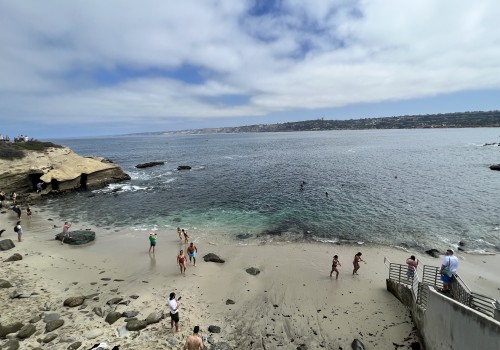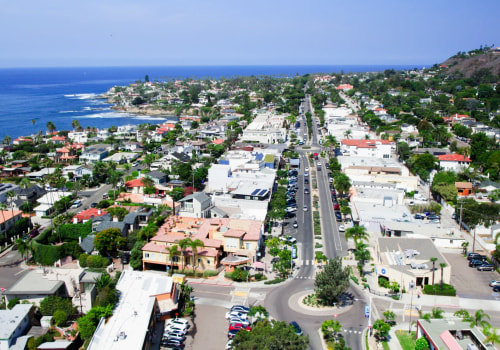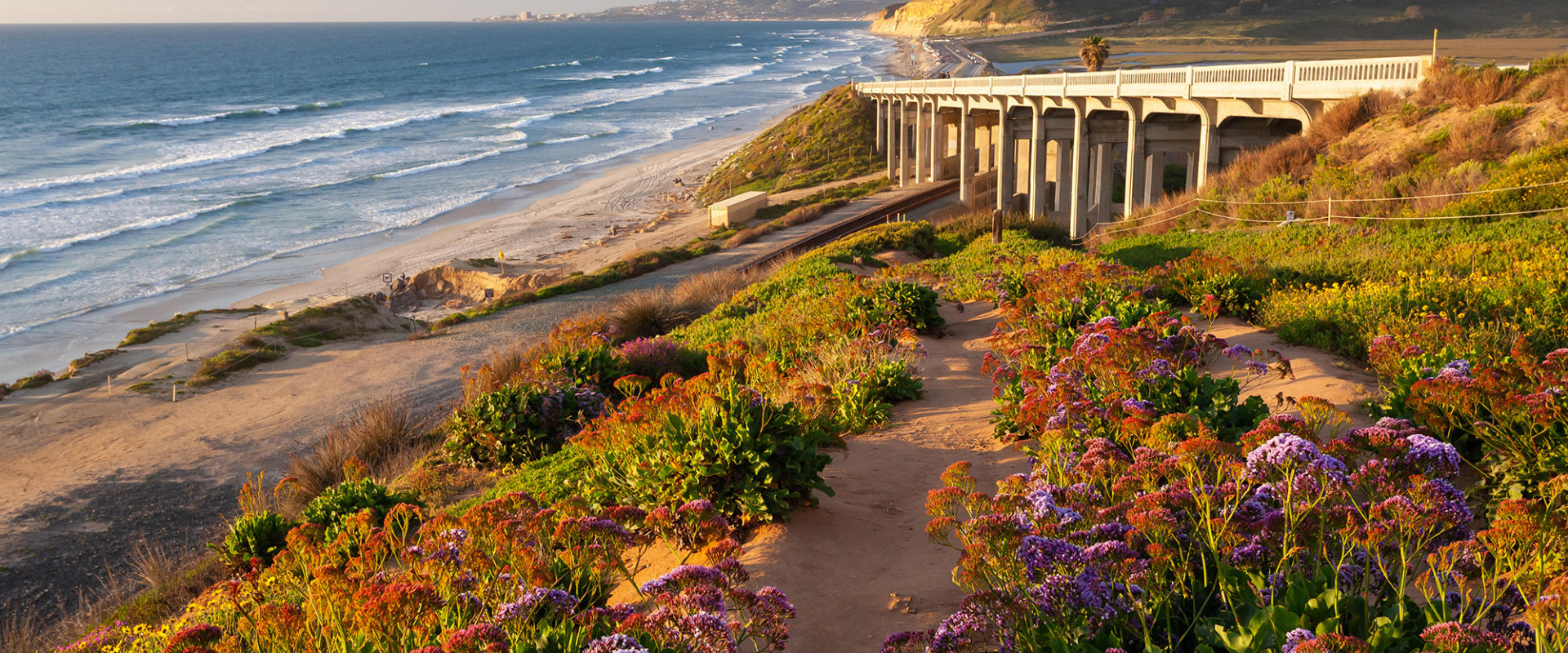
In an era where the impacts of climate change are increasingly evident, understanding the intricacies of long-term climate changes in the area has never been more crucial. La Jolla, a stunning coastal gem in Southern California, is not only known for its picturesque beaches and vibrant marine life but also for its unique climate challenges. As we delve into the long-term climate changes affecting this region, we uncover a complex narrative shaped by natural phenomena and human influence. The climate of La Jolla is characterized by mild, wet winters and warm, dry summers, yet these patterns are evolving. With rising global temperatures and shifting weather patterns, the region faces a variety of challenges that could alter its ecological balance.
It is essential to examine these changes over an extended period to grasp their potential implications fully. By analyzing historical data and emerging trends, we can gain insights into how La Jolla's climate may evolve in the years to come. Join us as we explore the factors contributing to long-term climate changes in La Jolla, from ocean currents and atmospheric conditions to local conservation efforts. Understanding these dynamics is vital not only for residents and policymakers but also for anyone who cherishes the beauty and biodiversity of this remarkable area. Let us embark on this journey to uncover the truths behind La Jolla's changing climate and what they mean for the future. Understanding the long-term climate changes in La Jolla requires a look into the historical climate data that provides essential context for the current transformations we are witnessing.
Over the past several decades, La Jolla has experienced notable shifts in its climate patterns, making it imperative to understand these trends in order to grasp their implications for the future. Historical records indicate that the region has seen a gradual increase in average temperatures, with data suggesting a rise of approximately 1.5 degrees Fahrenheit over the last century. This warming trend is consistent with broader patterns observed globally, but its local effects are felt acutely by residents. In addition to rising temperatures, long-term trends in precipitation have also been observed, with fluctuations that impact water supply and local ecosystems. While some years have brought increased rainfall, others have led to prolonged drought conditions that challenge the sustainability of water resources in La Jolla.
These changes in precipitation patterns can significantly affect local agriculture, particularly for farmers relying on predictable seasonal rain for their crops. Moreover, the increasing variability in rainfall events has made it more difficult for community planners to manage water resources effectively. Another critical aspect of long-term climate change is sea level rise, which poses a direct threat to coastal areas like La Jolla. As global temperatures rise, polar ice melts and ocean waters expand, leading to rising sea levels that erode coastlines and inundate low-lying areas. Recent studies indicate that La Jolla's coastline could see a rise of up to 2 feet by 2050 if current trends continue, dramatically altering the landscape and potentially displacing communities. The effects of these changes extend beyond environmental impacts; they also influence local marine life and the community's cultural fabric.
For example, rising ocean temperatures have been linked to shifts in fish populations, with species migrating to cooler waters further from shore. Local fishermen and marine enthusiasts have noted these changes, which not only affect biodiversity but also threaten livelihoods that depend on stable marine ecosystems. Furthermore, increased ocean acidity resulting from climate change poses challenges for shellfish populations, crucial for both ecological balance and local culinary traditions. In addition to shifts in marine life, La Jolla has seen an increased frequency of extreme weather events, including stronger storms and unpredictable weather patterns. These events can disrupt community events and daily life, such as the annual La Jolla Art & Wine Festival or local farmers’ markets, which rely on stable weather conditions.
The impact of climate change on seasonal patterns has compelled local businesses and residents to adapt their plans and expectations accordingly. Community responses to these long-term climate challenges have varied widely. Local scientists and environmentalists have taken an active role in raising awareness about the importance of sustainability practices and advocating for policies that mitigate climate impacts. Collaborative efforts between community leaders and residents have led to initiatives aimed at enhancing coastal resilience through beach restoration projects and sustainable land-use planning. These responses reflect a growing recognition among La Jolla's inhabitants about their vulnerability to climate change and the necessity for proactive measures. However, discussions surrounding climate change are not without disagreements.
While many residents acknowledge the realities of climate change impacts, others remain skeptical about the extent of these changes or the proposed solutions. Some community members argue that economic considerations should take precedence over environmental regulations, raising questions about how best to balance development with sustainability. In conclusion, understanding long-term climate changes in La Jolla reveals a complex interplay between environmental shifts and community adaptation strategies. The historical climate data provides essential context for recognizing how trends in temperature, precipitation, and sea level rise are reshaping this coastal community. As La Jolla navigates these challenges, ongoing dialogue among scientists, environmentalists, community leaders, and residents will be crucial in determining effective responses to an uncertain future.
Future Projections
As we look towards the future, long-term climate changes in La Jolla are expected to have significant implications for both the environment and the community.Current projections indicate a trend towards increasing temperatures, with average annual temperatures rising by several degrees over the next few decades. This shift could lead to more frequent and intense heatwaves, impacting daily life for residents. Moreover, sea level rise is projected to be a major concern for La Jolla, given its coastal location. Estimates suggest that sea levels could rise by up to three feet by the end of the century if current trends continue. Such changes could result in increased flooding during high tides and storms, affecting not only residential areas but also local businesses and tourism. In terms of precipitation patterns, projections indicate that La Jolla may experience both wetter winters and drier summers.
This variability could disrupt the local ecosystem, leading to challenges in water management and agriculture. Community planning will need to address these changes by incorporating sustainable practices and infrastructure that can withstand extreme weather conditions. Overall, the future climate scenarios for La Jolla necessitate proactive measures from both residents and local government. By understanding these projections, the community can better prepare for the impacts of climate change on daily life, ensuring a resilient and sustainable future for generations to come.
Historical Climate Data
To understand the impact of long-term climate changes in La Jolla, it is essential to examine the historical climate data regarding temperature and precipitation over the decades. This data provides a clear picture of how the local climate has evolved and helps identify trends that may affect the community. Historically, La Jolla has experienced a relatively stable climate characterized by mild temperatures and moderate rainfall.Average annual temperatures have shown an upward trend, with records indicating a gradual increase of approximately 1.5°F over the past fifty years. This warming is consistent with global climate change patterns, which indicate that coastal areas like La Jolla are particularly vulnerable to temperature fluctuations. In terms of precipitation, La Jolla typically receives around 10 to 12 inches of rainfall annually. However, analysis of historical data reveals significant variability in precipitation patterns. For example, records indicate that while some years have experienced above-average rainfall due to El Niño events, others have seen drastic reductions in precipitation, contributing to drought conditions. The changes in both temperature and precipitation are not merely statistical; they have tangible impacts on the local ecosystem and community.
Residents may notice shifts in seasonal weather patterns, such as earlier springs and warmer winters, which can affect everything from local flora and fauna to outdoor community events. Moreover, understanding these historical trends is critical for anticipating future changes and preparing for their potential effects on daily life in La Jolla. As climate change continues to unfold, monitoring these parameters will be vital for ensuring the resilience of the community.
Community Adaptation Strategies
As Long-term climate changes continue to reshape the environmental landscape of La Jolla, local organizations and residents are taking proactive measures to adapt and mitigate impacts. Community engagement is essential in addressing the challenges posed by these changes, and various strategies have emerged. One of the key initiatives involves collaboration between local government and environmental organizations. Programs focused on restoring coastal habitats, such as wetlands and dunes, are being implemented to enhance natural resilience against rising sea levels and increased storm activity.These efforts not only protect the coastline but also support biodiversity, which is crucial for maintaining the area’s ecological balance. Additionally, residents are becoming more involved in sustainability practices. Community workshops on water conservation, native landscaping, and energy efficiency are empowering individuals to make environmentally conscious decisions. By adopting xeriscaping techniques, for instance, homeowners can reduce water usage while maintaining the beauty of their gardens. This shift towards sustainable living helps lessen the community’s overall carbon footprint. Moreover, local schools and educational institutions are integrating climate education into their curricula.
By fostering awareness among the younger generation, these programs aim to equip students with the knowledge and skills necessary to address climate challenges in their future endeavors. Students engage in hands-on projects that promote environmental stewardship and innovation. Finally, community events such as beach clean-ups and tree-planting days are rallying residents around the common goal of preserving La Jolla’s natural beauty. These activities not only bring people together but also raise awareness about the importance of collective action in combating climate change. As La Jolla continues to face long-term climate shifts, the resilience and adaptability of its community will play a pivotal role in shaping a sustainable future.
Impact on Local Ecosystems
The impact of climate changes on local ecosystems in La Jolla is profound and multifaceted.As global temperatures rise, the coastal habitats that define this beautiful region are undergoing significant transformations. These changes manifest in various ways, particularly affecting the delicate balance of marine life and coastal environments. One notable effect is the increasing ocean temperature, which directly influences the health of marine species. Warmer waters can lead to coral bleaching, a phenomenon where corals expel the algae living in their tissues, resulting in a loss of color and vital nutrients. In La Jolla, this poses a threat to local coral reefs, which are essential for maintaining biodiversity and supporting numerous marine species. Moreover, shifts in ocean temperatures can alter the distribution of fish populations.
Species that once thrived in the cooler waters off La Jolla may migrate northward in search of more suitable habitats. This shift not only disrupts the local fishing industry but also affects the entire food web, as predators and prey adjust to new patterns of availability. The coastal habitats themselves are also at risk due to rising sea levels and increased frequency of severe weather events. These changes can lead to erosion, loss of habitat for species such as seabirds and marine mammals, and diminished water quality as runoff and pollutants become more concentrated. The unique ecosystems of La Jolla, including tide pools and kelp forests, are particularly vulnerable to these stressors. Additionally, altered precipitation patterns can affect freshwater flows into coastal areas, further impacting local ecosystems.
Changes in rainfall can lead to increased runoff, introducing more pollutants into marine environments and disrupting the delicate balance that supports diverse aquatic life. In conclusion, the effects of climate change on La Jolla's local ecosystems are significant and warrant attention from residents and policymakers alike. Understanding these impacts is crucial for developing strategies to mitigate damage and protect the rich biodiversity that makes La Jolla a unique coastal community. In conclusion, Long-term climate changes in La Jolla present a significant challenge that affects not only the local environment but also the day-to-day lives of its residents. Throughout this article, we have explored historical climate data that reveals alarming trends, the impact on local ecosystems that jeopardize native species, and the community adaptation strategies that are crucial for resilience. As we look towards future projections, it becomes evident that proactive measures and awareness are essential. The importance of community engagement and collective action cannot be overstated.
By staying informed about local developments related to climate change, residents can better prepare for the impacts that lie ahead. It is our collective responsibility to advocate for sustainable practices and support initiatives that protect our precious environment in La Jolla.