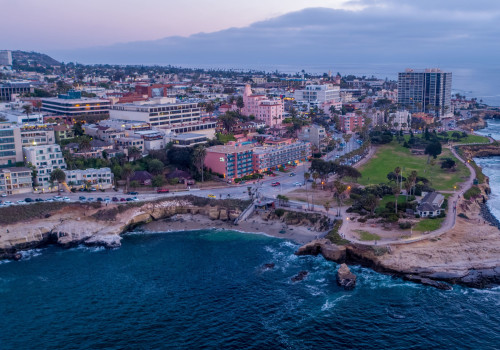
In recent years, the real estate landscape has undergone significant transformations, making it essential for potential buyers and investors to stay informed. Average home prices in the areaAverage home prices in the area serve as a critical indicator of market health, reflecting the trends and patterns that shape our communities. Among the picturesque coastal towns, La Jolla stands out not only for its stunning ocean views and luxurious lifestyle but also for its dynamic housing market. This article delves into the current trends in average home prices in La Jolla, providing insights into how economic factors, local developments, and buyer preferences are influencing property values. Whether you are a first-time homebuyer, a seasoned investor, or simply curious about the market, understanding these trends is vital for making informed decisions. As we explore the fluctuations in home prices, we will examine recent sales data, neighborhood comparisons, and expert forecasts that paint a comprehensive picture of La Jolla's real estate market.
Join us as we navigate through the intricacies of pricing dynamics in this beloved coastal enclave and uncover what the future may hold for homebuyers and sellers alike. Understanding average home prices in La Jolla is crucial for anyone looking to navigate the real estate landscape of this vibrant coastal community. The prices of homes in this area not only reflect local real estate trends but also mirror broader economic conditions that can attract potential buyers and influence community development. Recent fluctuations and notable trends in the housing market have set the stage for a deeper analysis of what makes La Jolla a unique market. Several specific factors significantly affect home prices in La Jolla. The desirability of the location plays a pivotal role; La Jolla is renowned for its stunning coastal views, upscale neighborhoods, and a plethora of amenities that cater to affluent buyers.
Proximity to world-class beaches, dining, shopping, and cultural attractions enhances the area's appeal, driving demand. Recent developments, including luxury condominium projects and improvements to public spaces, have further elevated the desirability of living in La Jolla. When examining historical price trends over the past few years, it becomes evident that average home prices have experienced both significant growth and fluctuations. For instance, in recent years, homes in La Jolla have seen price increases of approximately 10% annually, driven by a competitive market fueled by high demand and limited inventory. This upward trend presents a stark contrast to neighboring areas such as Pacific Beach or Mission Beach, where average home prices have not appreciated at the same rate.
These comparisons illustrate La Jolla's unique market position as one of the most sought-after neighborhoods along the San Diego coastline. Demographic changes also play a crucial role in shaping housing demand within La Jolla. As more affluent individuals and families seek to relocate to this area for its lifestyle offerings and excellent school systems, the pressure on the housing market continues to intensify. In particular, younger professionals and retirees are drawn to the area, leading to increased competition for homes that meet their needs. This demographic shift influences not only demand but also the types of properties being developed and marketed. However, potential challenges loom on the horizon for La Jolla's real estate market.
Inventory shortages have become increasingly pronounced, making it difficult for buyers to find suitable homes without overextending their budgets. Additionally, zoning regulations can create obstacles for new developments, further constraining supply. Local real estate agents often highlight these challenges, noting that while demand remains high, the limited availability of homes can lead to bidding wars and inflated prices. To provide some context for current trends, recent sales data reveals several notable transactions that exemplify the dynamics at play in La Jolla's market. For instance, a beachfront property sold for over $10 million last month, signaling that luxury homes remain highly coveted despite economic uncertainties.
Expert opinions from local agents suggest that these high-value transactions are indicative of a strong buyer interest in premium properties in exclusive locations. Looking ahead, local events and economic factors will likely continue to influence average home prices in La Jolla. The ongoing growth of San Diego's tech sector may attract more professionals seeking housing in coastal areas, which could further drive up prices. Additionally, upcoming infrastructure projects aimed at enhancing access to La Jolla may bolster its appeal as a desirable place to live. Potential buyers can expect a competitive market environment moving forward with sustained interest from both local and out-of-state buyers. In conclusion, understanding average home prices in La Jolla requires an appreciation for the myriad factors at play—from location desirability and demographic shifts to inventory challenges and broader economic trends.
By staying informed about these dynamics, prospective buyers can make educated decisions in this distinctive real estate market.
Comparative Market Analysis
To gain a comprehensive understanding of the average home prices in La Jolla, it is essential to conduct a comparative market analysis. La Jolla, with its picturesque coastline and upscale amenities, often commands higher prices than its neighboring areas. For instance, when we compare La Jolla to nearby neighborhoods such as Pacific Beach and Mission Beach, we observe a significant disparity in home values. While Pacific Beach offers a vibrant atmosphere with homes averaging around $1.5 million, La Jolla's average prices typically soar above $2.5 million, reflecting its exclusivity and desirability. Similarly, when we look at other coastal towns like Del Mar and Encinitas, the contrast becomes even more pronounced.Del Mar, known for its luxury real estate, has an average home price close to $3 million. This indicates that while La Jolla holds its own as a premium location, it is still more accessible compared to Del Mar's ultra-luxury market. On the other hand, Encinitas presents a more affordable alternative with average prices around $1.8 million, showcasing how La Jolla maintains its unique position in the real estate landscape. The dynamic nature of La Jolla's real estate market can also be attributed to its limited inventory and high demand. As potential buyers flock to this coastal gem for its stunning views, top-notch schools, and vibrant culture, home prices continue to reflect these desirability factors.
Thus, understanding the comparative analysis of home prices not only highlights La Jolla's appeal but also provides insight into the broader trends influencing the region's real estate market.
Future Outlook for La Jolla Real Estate
As we look ahead to the future of the La Jolla real estate market, it is essential to analyze current trends and economic conditions that may influence average home prices. Recent data suggests a gradual increase in property values, driven by a combination of factors including low inventory levels and strong demand from buyers seeking to invest in this desirable coastal community. One of the primary indicators of future home price movements is the overall health of the economy. Currently, the local economy in La Jolla shows resilience with low unemployment rates and ongoing investment in infrastructure and community amenities. These factors contribute to a stable environment that is likely to attract both domestic and international buyers, further driving average home prices upward. Moreover, new developments and urban planning initiatives are expected to play a significant role in shaping the real estate landscape.With several luxury condominium projects and commercial spaces underway, these additions will not only enhance the appeal of La Jolla but are also likely to increase property values in the surrounding areas. However, potential challenges such as rising interest rates and economic fluctuations could temper growth. If borrowing costs rise significantly, it may deter some buyers from entering the market, which could stabilize or even reduce average home prices temporarily. Therefore, it is crucial for stakeholders to remain vigilant and adaptable to these changing conditions. In summary, while the outlook for La Jolla's real estate remains positive due to current trends and local developments, external economic factors must be monitored closely. As we continue to observe these dynamics, it will be fascinating to see how they ultimately shape the future of average home prices in this vibrant coastal community.
Factors Influencing Home Prices
Understanding the average home prices in La Jolla requires a thorough analysis of the various factors that contribute to their fluctuation.One of the primary factors is geographic appeal. La Jolla is renowned for its stunning coastal views, beautiful beaches, and a mild Mediterranean climate. This unique geographical advantage not only enhances the aesthetic value of properties but also attracts buyers who are willing to pay a premium for living in such a desirable location. Another critical factor is market demand. The demand for homes in La Jolla often fluctuates based on broader economic conditions and buyer sentiment.
When the economy is strong, more buyers enter the market, leading to increased competition and higher home prices. Conversely, during economic downturns, demand may wane, resulting in price stabilization or declines. Additionally, economic indicators, such as employment rates, interest rates, and overall economic growth, play a vital role in shaping the housing market. For instance, lower interest rates typically encourage more buyers to enter the market, driving up home prices. Conversely, high unemployment rates can diminish buyer confidence, leading to reduced demand and potential price drops. Overall, these factors create a complex interplay that influences the average home prices in La Jolla.
Understanding them can provide valuable insights for potential buyers and investors looking to navigate this dynamic real estate market.
Historical Trends in Home Pricing
Understanding the historical trends in home pricing in La Jolla is crucial for potential buyers and investors alike. Over the past few decades, La Jolla has experienced significant fluctuations in its real estate market, driven by various economic factors, local developments, and shifts in demand. In the early 2000s, La Jolla's housing market saw a dramatic increase in average home prices, largely fueled by a booming economy and an influx of affluent buyers. This period was characterized by rising demand for luxury properties, which pushed prices to unprecedented levels. By 2005, the median home price in La Jolla reached an all-time high, reflecting the area's desirability and robust economic conditions. However, the financial crisis of 2008 marked a turning point for the market.Home prices plummeted as foreclosures surged and credit tightened. By 2011, the average home prices had dropped significantly, leading to a buyer’s market where many sought to capitalize on lower prices. This downturn persisted for several years, with gradual recovery beginning around 2014 as the economy improved and consumer confidence returned. In recent years, the La Jolla housing market has shown resilience, with had dropped significantly, leading to a buyer’s market where many sought to capitalize on lower prices. This downturn persisted for several years, with gradual recovery beginning around 2014 as the economy improved and consumer confidence returned. In recent years, the La Jolla housing market has shown resilience, with average home prices climbing steadily again. Factors such as low mortgage rates, limited inventory, and a continued desire for coastal living have contributed to this upward trend.
As of 2023, the area is witnessing a renewed surge in prices, with many properties selling well above asking price due to competition among buyers. Overall, analyzing these historical trends in home pricing not only provides insight into the past but also helps forecast future movements in the La Jolla real estate market. Understanding these patterns is essential for anyone looking to navigate the complexities of buying or selling a home in this vibrant community. In conclusion, understanding average home prices in La Jolla is vital for potential buyers and investors as it provides insights into the local real estate market dynamics. Throughout this article, we explored various factors influencing home prices, historical trends, and conducted a comparative market analysis, all of which underline the importance of these prices in reflecting broader economic conditions. Additionally, we looked at the future outlook for La Jolla real estate, highlighting the potential for growth and investment opportunities. As the housing market continues to evolve, staying updated on market changes is crucial.
We encourage readers to engage with local real estate professionals who can offer personalized insights and guidance tailored to individual needs. Keeping informed will not only aid in making educated decisions but also enhance the overall experience of navigating the real estate market in La Jolla.